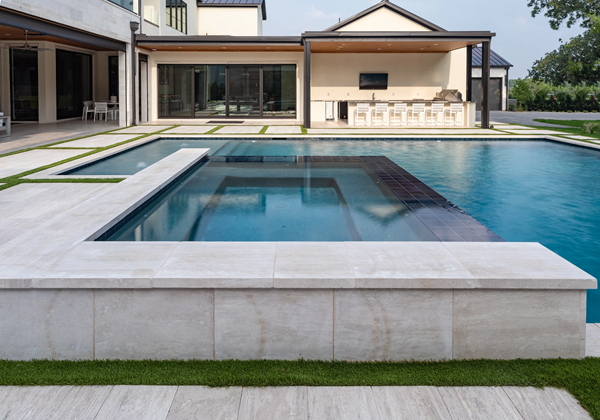
As freezing temperatures approach, protecting your pool from freeze damage becomes critical. Water expands as it freezes, which can crack plumbing, damage equipment, and lead to costly repairs. Our Prepare Your Pool for Freezing Temperatures video highlights key strategies to safeguard your investment and avoid freeze-related problems
Understanding Freeze Protection
Freeze protection isn’t just about covering your pool — it’s about keeping water moving and equipment operating in conditions that could cause ice formation. Most modern pool systems include freeze protection features in their automation that automatically detect cold temperatures and turn on circulation equipment.
Water moving through pipes and equipment is far less likely to freeze than still water. By activating pumps when temperatures dip, you reduce the chance of ice expanding in pipes, heaters, and filters — a common cause of cracks and broken components.
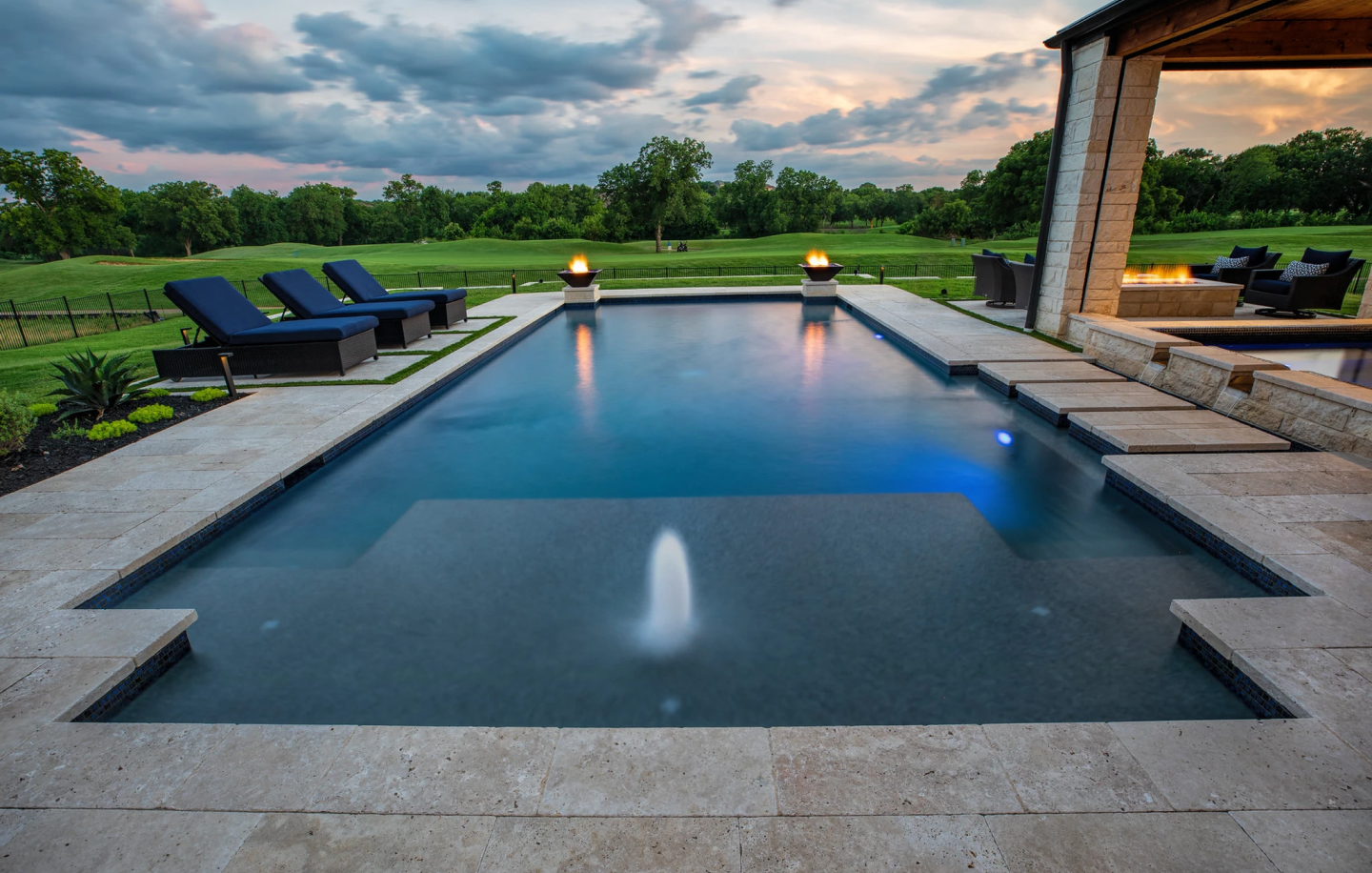
Run your Pool Equipment 24/7 in Cold Weather
One of the simplest yet most effective freeze protection methods is continuous circulation:
-
When temperatures approach freezing, run your filtration pump without stopping.
-
Water flow keeps temperatures above freezing longer and reduces the chances of ice forming in plumbing and equipment.
-
If your system has automation with a freeze-protect mode, ensure it’s enabled and set correctly for your climate
Keep Water Levels Correct
When the water is too low the skimmers run dry; too high and circulation issues can occur. Both scenarios reduce effectiveness and increase freeze risk. Make sure your pools is filled to the middle of the waterline tile.
A variable-speed pump can be particularly useful: run it at lower speeds to save energy but increase flow during extreme cold spells.
Monitor & Double-Check Equipment settings
Your pool system includes freeze protection that:
-
Detects outdoor temperature drops
-
Turns pumps on automatically
-
May adjust valves to circulate water through all lines
Check your system’s settings before cold weather hits, especially the temperature threshold the system will activate at (usually 37-38 degrees). You can test your system is running by performing a simple test.

Test Freeze Protection is Working
If you’re not sure that your freeze protection is kicking on, you can perform a simple test.
1. Fill a cup with ice and water.
2. Take this cup of water out to your pool equipment and find the air sensor (see photo 1 for reference).
3. Dip the sensor into the ice water for a few minutes, your pool‘s freeze protection should kick on.
If you hear something kick on, your freeze protection is active and there is nothing further you need to do! If you don’t notice anything whirring to life, follow the steps below to make sure freeze protection is on. If you follow the steps below and still have issues, call us or submit a service request to make sure your equipment is on and up to date.
Step 1: Fill the Pool
Fill your pool until the water level hits the middle of the waterline tile. The water should be at this height throughout the winter to support regular water circulation, so monitor this regularly in the winter months. You may need to fill the pool manually, do so with a hose and the closest water access in your backyard.
Here’s a pro tip: Keep a hose in your garage so you’re not dealing with a frozen hose when you’re trying to protect your pool.
Step 2: Empty the Skimmer Baskets
Empty out the skimmer baskets and throw out all of the debris. Keeping the skimmer baskets clear is crucial for pool circulation and should be done on a weekly basis. You can find more information on weekly pool maintenance in our “Pool Maintenance Videos” section in our Video Library.

Step 3: Inspect Equipment
Before ensuring that freeze protection is on, walk around your pool equipment pad and look for any anomalies. Take care to check the filter pressure, if you notice anything odd give us a call or send in a service request. If you don’t notice any odd sounds or leaks, then proceed to the next step.
Step 4: Turn On Freeze Protection
Access your Pentair panel located near the equipment pad. Go to Settings> Advanced System Configuration> Installation Setup> Circuits> AUX Circuits. From here click into all of your pumps and check that Freeze Protection is on. If it is off, toggle Freeze Protection on. If your pool has additional features such as waterfalls, fountains, or attached spas, freeze protection needs to be on for these as well.
Freeze Protection Recap
We’ve covered all of the steps to prepare your pool for freezing temperatures in North Texas. This guide will help you even if you live outside of Texas, though if you live in a much colder climate check your local pool guidance. Let’s review the 4 simple steps:
1. Fill the pool to the middle of the tile
2. Empty the skimmer baskets
3. Inspect Equipment and check filter pressure
4. Turn on Freeze Protection

Final Thoughts
Freeze protection is a combination of proactive preparation, smart use of equipment, and understanding how cold weather affects water systems. Running your pumps, utilizing freeze-protection, checking your equipment, and keeping the skimmers clear will help safeguard your pool investment during cold snaps. For tailored guidance, always consult with a qualified pool service professional familiar with local climate challenges.